


Balanced anesthesia,
planned for each patient
Our team includes veterinarians trained in anesthesia and pain management, who plan and monitor anesthesia for higher-risk patients: senior dogs and cats, heart patients and seriously ill patients.
Video: anesthesia at S Animal Medical Center (Korean narration).
How we plan anesthesia
-
01Balanced Anesthesia
Balanced anesthesia
01Balanced anesthesia
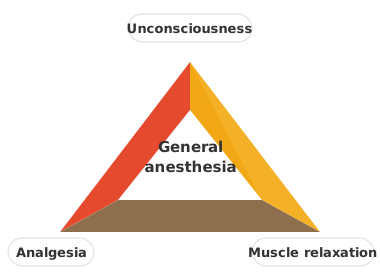
Balanced AnesthesiaBalanced anesthesia helps reduce the side effects of anesthesia.
Pets weigh much less than people, so their anesthetic risk is higher and the anesthetic protocol needs to be planned more precisely.
Anesthetics should be given at the lowest effective dose. Combining them appropriately with sedatives and analgesics lowers the anesthetic dose and helps reduce side effects.
-
02The Five Phases of Anesthesia
The five phases of anesthesia
02The five phases of anesthesia
The Five Phases of AnesthesiaAnesthesia can be divided into five phases. Of these, the pre-anesthetic phase is especially important.
-
STEP 1
Pre-anesthetic
-
STEP 2
Induction
-
STEP 3
Maintenance
-
STEP 4
Recovery
-
STEP 5
Post-anesthetic
In the pre-anesthetic phase we take a history, assess the patient's condition and anesthetic risk class (ASA physical status), and choose the appropriate drugs. An accurate picture of the patient's current state is what makes the right drug choices and balanced anesthesia possible. Assessing the patient in advance also helps us prevent and prepare for complications during anesthesia.
-
STEP 1
-
03Anesthesia Monitoring
Anesthesia monitoring
03Anesthesia monitoring
Anesthesia MonitoringA veterinarian trained in anesthesiology manages each of the five phases according to the patient's condition.
During surgery the patient is continuously assessed with the monitoring system, and treatment is adjusted to help keep them stable.
During recovery and after surgery, the patient's condition and pain are reassessed to help reduce stress.
Anesthesia management

Closer monitoring for senior, cardiac
and critically ill patients
Senior, cardiac and critically ill patients have a higher anesthetic risk than other patients, so they need closer management. For these patients, blood pressure is a key indicator during anesthesia.
We use invasive blood pressure (IBP) monitoring, in which a sensor connected to an artery measures arterial pressure directly. IBP is the most accurate, reference-standard method of measuring blood pressure, and lets us track it in real time throughout anesthesia.
A good anesthesia machine
matters — but it isn't everything.
A better machine does not automatically mean safer anesthesia. When a patient stops breathing on their own and depends on the machine (mechanical ventilation), senior, cardiac and critically ill patients can suffer significant cardiovascular depression and anesthetic complications.
Unless mechanical ventilation is specifically indicated, we use balanced anesthesia to stabilize the patient's vital signs and let them breathe on their own, which helps reduce the strain on the heart.
During surgery, a veterinarian trained in anesthesiology checks the patient's condition directly and provides treatment as needed.

