


Our Surgery Center
Operating rooms built to human hospital standards
About 15,000 operations in the past 10 years.
At our Surgery Centers in Ulsan and Yangsan, surgeons work side by side with veterinarians who focus on anesthesia and pain management.
Together they handle complex neuro and orthopedic surgery (spine, nerves and joints), keyhole (minimally invasive) surgery, chest surgery and cancer surgery. Each patient gets their own surgical plan, anesthesia tailored to their health, and step-by-step recovery care after surgery.
Our surgery team
-
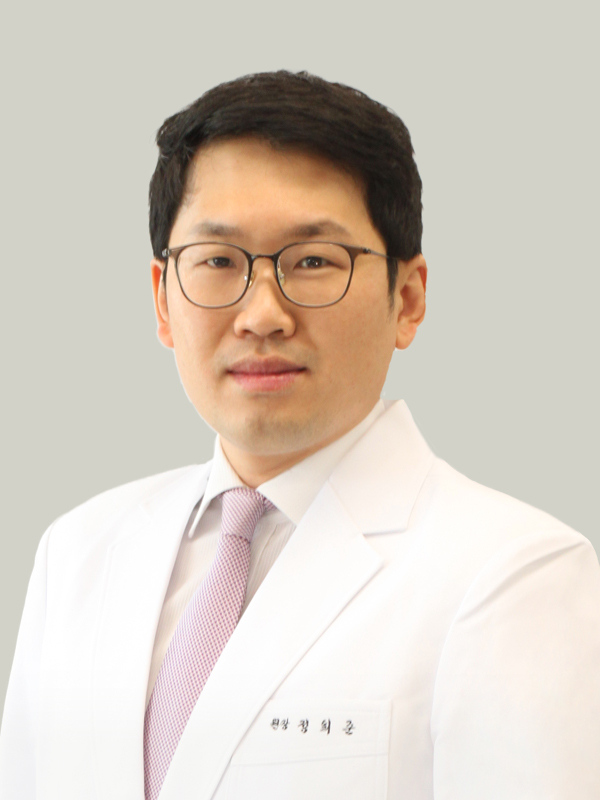
Dr. Jeong Hee-jun
Trained in THR (joint replacement) by BioMedtrix (USA) and BlueSAO & Vetmaster (China)
-
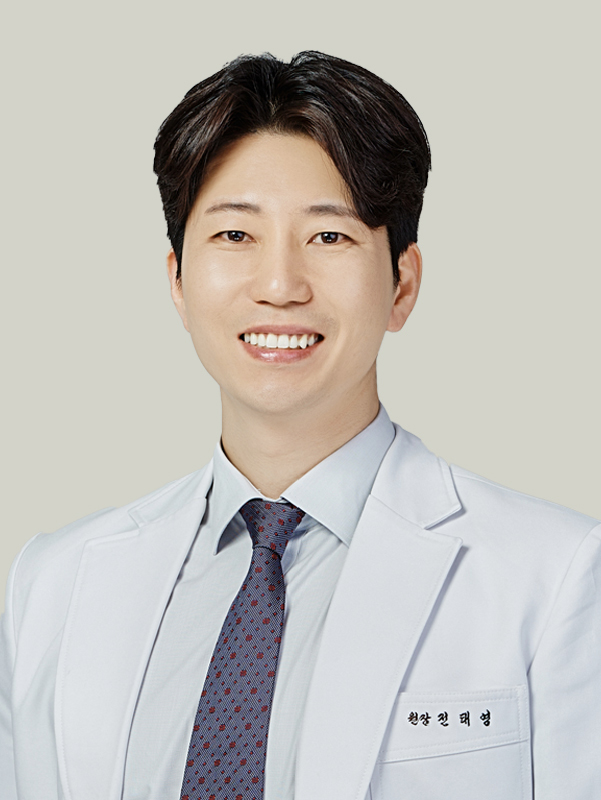
Dr. Jeon Tae-yeong
Focus: endoscopic minimally invasive surgery (cystoscopy, rhinoscopy, laparoscopy)
-

Dr. Jeong Yu-jeong
Completed arthroscopy courses in the Netherlands and at Colorado State University
-
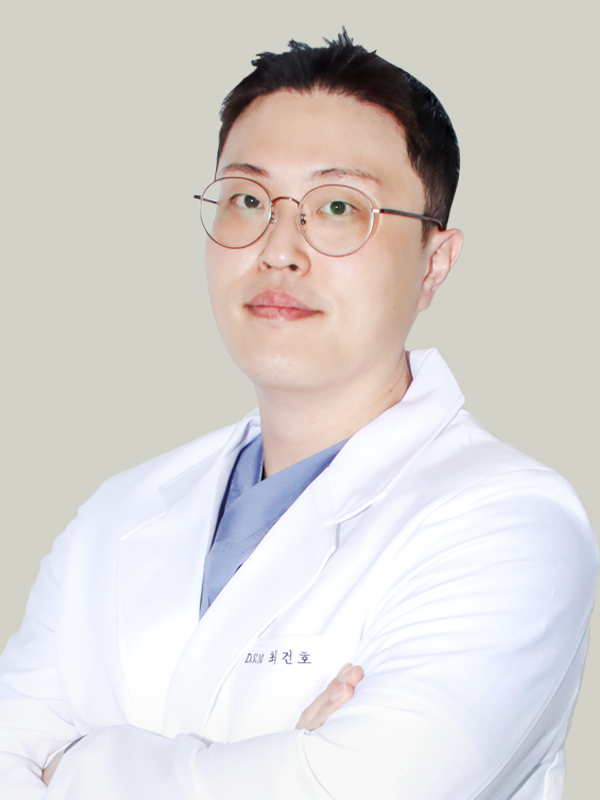
Dr. Choi Geon-ho
Trained in veterinary anesthesia and pain management
Our approach to surgery
-
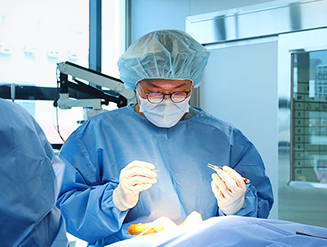
Complex surgery
Our Surgery Center performs complex surgery for patients with serious conditions, using techniques such as total hip replacement (THR), 3D-printing-assisted surgery, arthroscopy and TPLO (cruciate ligament surgery). We were the first in Korea to introduce cementless dual-mobility THR for small-breed dogs, and we perform more than 100 TPLO (cruciate ligament) procedures a year. -
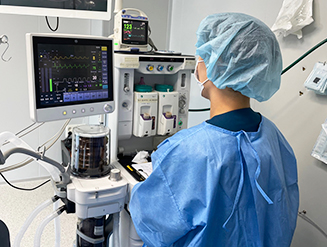
A dedicated anesthesia team
Veterinarians trained in anesthesia and pain management manage anesthesia directly for senior, cardiac and critically ill patients. We keep the operating room clean to help lower the rate of infection after surgery. Clipping, bladder expression and enemas are done in a separate prep room, which helps reduce the risk of contamination. -
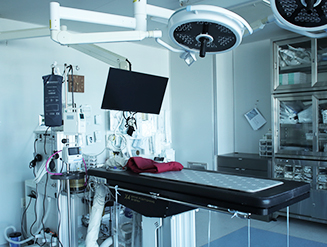
Sterile operating rooms & surgical equipment
Our operating rooms are built to the standard Korea's Medical Service Act sets for high-risk operating rooms in human hospitals, to help keep airborne contaminants out. We introduce new equipment and techniques aimed at less invasive surgery, less bleeding, less pain and faster recovery. -
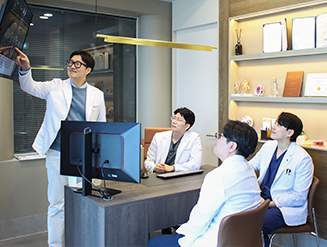
Multidisciplinary care
Veterinarians from different departments work together on diagnosis and treatment, so serious and complex conditions can be handled promptly. 1.5T MRI and 16-slice CT and veterinarians trained in diagnostic imaging provide a prompt, accurate diagnosis for precise surgical planning. For patients with underlying conditions, evaluation by the relevant departments and pre-operative testing help reduce surgical risk.
Video: inside our Surgery Center (Korean narration).
The surgical process
-
01
Consultation
You meet the veterinarian in charge to plan the surgery and hospital stay, and sign the anesthesia and admission consent forms.
-
02
Pre-operative tests
Blood tests and other checks assess whether your pet is fit for anesthesia.
-
03
Fluids & pain relief
After testing, IV fluids are given to help prevent dehydration and organ damage, and some patients also receive pain-relief injections. Your pet may need to be admitted the day before surgery for fluids.
-
04
Preparation & anesthesia
The surgical site is clipped and disinfected to help prevent infection, then anesthesia is induced.
-
05
Surgery
Once anesthesia is stable, the operation begins.
-
06
Recovery
After surgery your pet rests in the recovery room on IV fluids until they wake from anesthesia.
-
07
Inpatient care & discharge
Some procedures don't need a hospital stay, but most surgical patients are admitted for follow-up care. The veterinarian decides on discharge based on monitoring and how quickly your pet recovers.

